Smart Home Technology in Rental Properties: What Owners Need to Know
Smart home technology has moved past the novelty stage. Smart thermostats, keyless locks, leak sensors, and connected smoke detectors are practical tools that protect your investment, reduce operating costs, and attract quality tenants. But the rental property context is different from a homeowner's setup, and getting the details right matters.
Here's what Central Oregon property owners should know about smart tech in rentals.
Smart Locks: The Highest-ROI Upgrade
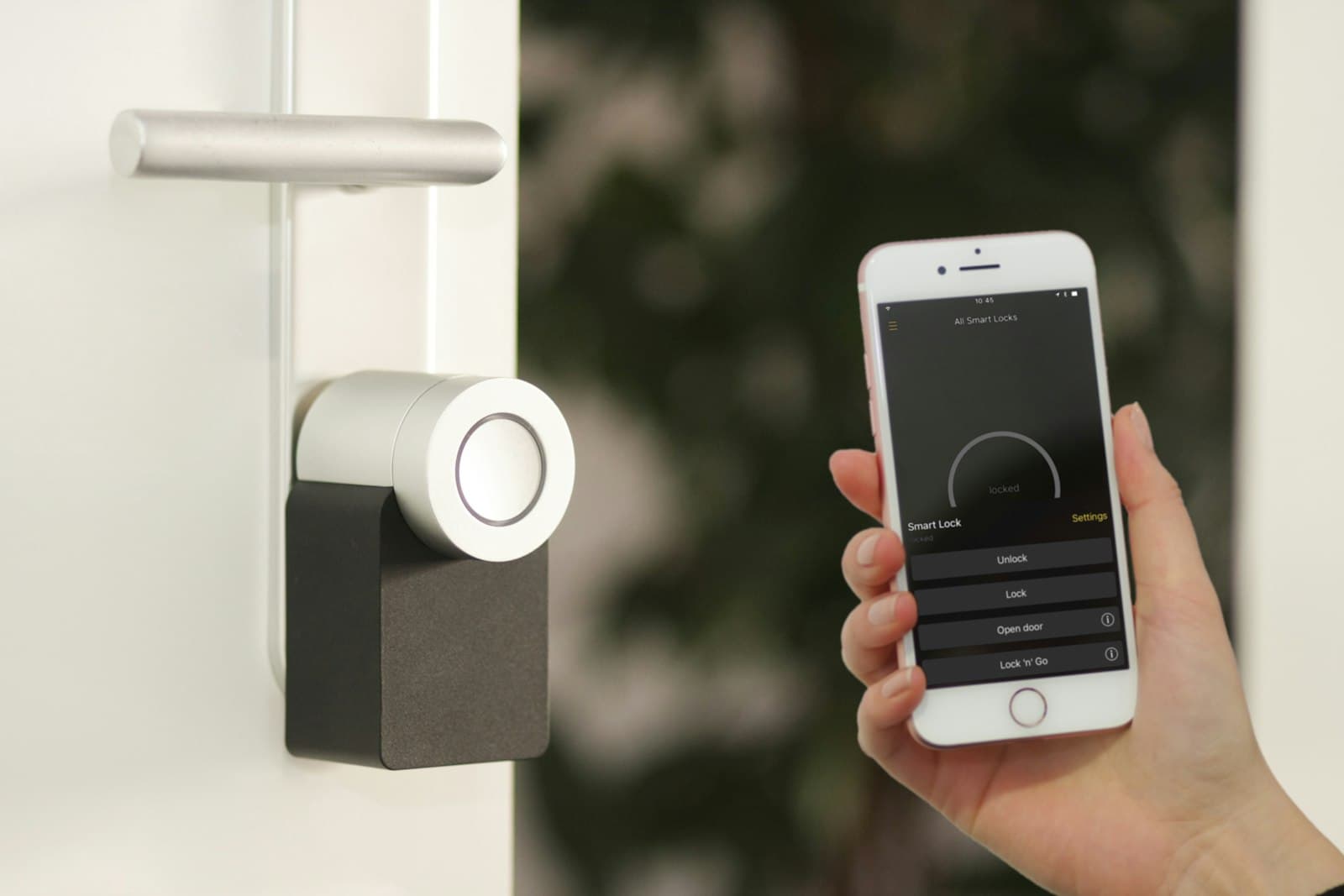
Smart locks are the single most impactful tech upgrade for a rental. They eliminate key management completely. No more cutting keys, collecting keys, rekeying between tenants, or worrying about copies floating around. When a tenant moves out, you change the code. When a maintenance tech needs in, you generate a time-limited code. When a prospect wants a self-guided tour, the system handles it.
At HDPM, smart locks are standard across the properties we manage. The per-unit cost is modest (typically $200 to $400 installed) and the savings in key management, rekeying, and showing logistics pay it back within the first turnover.
Smart Thermostats: Saving Money and Preventing Damage
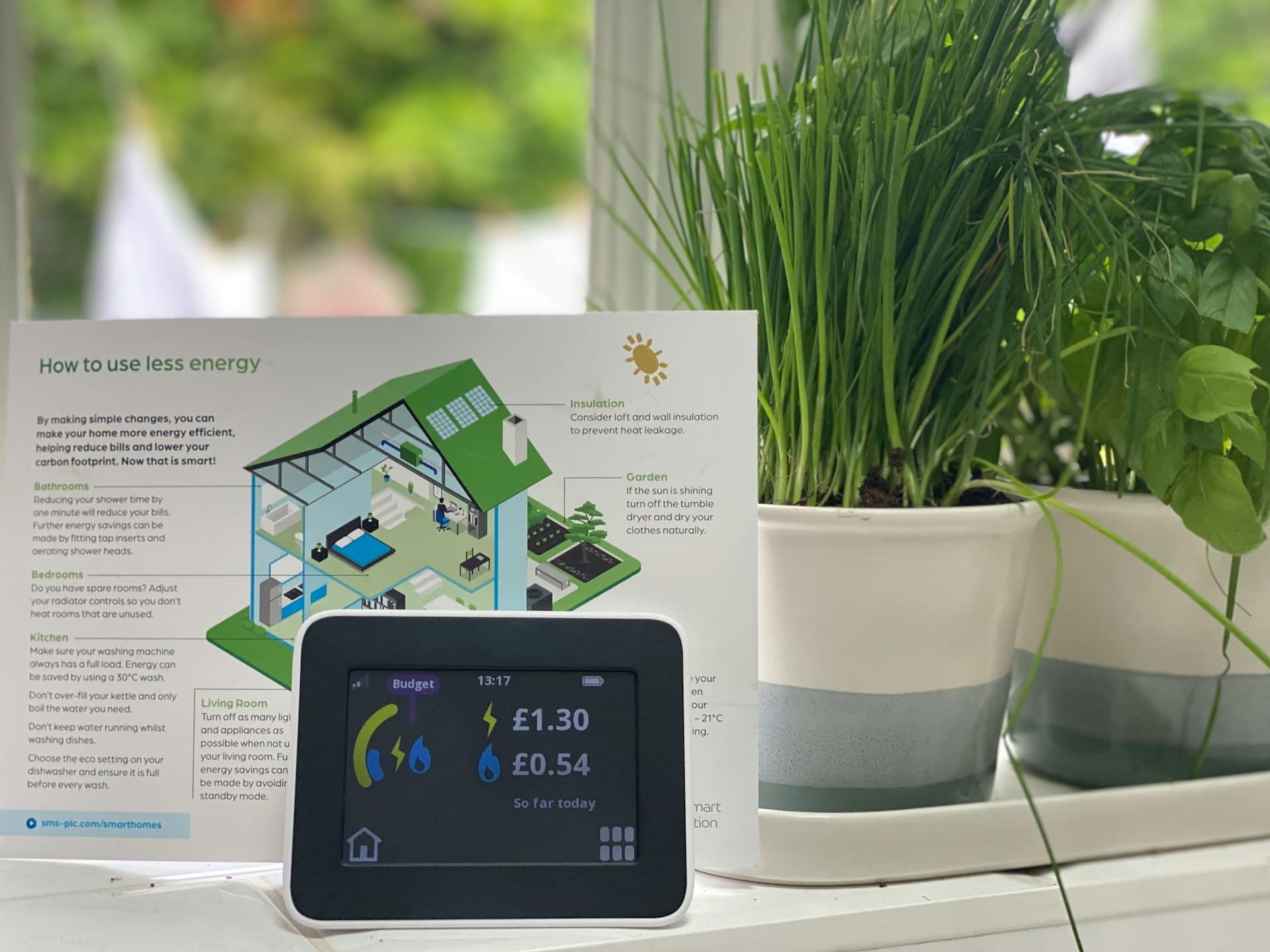
Heating is a big expense in Central Oregon. Smart thermostats like the Ecobee or Google Nest let you monitor interior temperatures remotely. For property managers, the real value isn't energy savings; it's freeze protection. If a thermostat reading drops below 55 degrees during a January cold snap (whether the tenant is traveling or the system has failed), we get an immediate alert and can step in before pipes freeze.
For vacant units between tenants or owner-paid utility situations, smart thermostats cut energy waste by holding efficient temperatures without anyone having to adjust them manually. The monthly savings usually cover the device cost within one winter.
Leak Sensors: Early Warning Systems
Water damage is the most expensive type of maintenance event in property management. A small leak under a sink or behind a washing machine can do thousands in damage before anyone notices. Smart leak sensors cost less than $30 each, run on batteries for years, and send instant alerts when they detect moisture.
We recommend putting them under kitchen sinks, behind toilets, near water heaters, and next to washing machine connections. The math is straightforward: $120 in sensors can prevent $5,000 to $15,000 in water damage repairs.