The Future of Property Management: AI, Automation, and What It Means for Your Rental

Property management is at an inflection point. Over the next five years, AI and automation will change more about how rentals are managed than the previous twenty years combined. For owners and tenants in Central Oregon, understanding these shifts matters for making smart decisions about investments and living situations.
Here's where the industry is headed, and how HDPM is already building for it.
AI-First Operations
The property management company of the future won't bolt AI onto existing processes. It will be built around AI from the ground up. Every interaction, every decision, every workflow will be supported by intelligent systems that learn and improve over time. Maintenance triage, tenant screening, lease pricing, owner reporting, vendor management: all of these will be AI-assisted or AI-driven.
That doesn't mean humans go away. It means property managers are freed from routine tasks so they can focus on judgment calls, relationship building, and complex problem-solving. The AI handles the 80% that's predictable so the team can focus on the 20% that requires real expertise and human judgment.
Predictive Everything
Today, we use AI to predict maintenance needs. Tomorrow, prediction will extend to every part of property management. Which tenants are likely to renew? What rent level maximizes both occupancy and revenue? When does a property need capital improvements to stay competitive? What market conditions will impact your investment next quarter?
These won't be guesses. They'll be data-driven forecasts based on thousands of data points from our portfolio, the local market, and broader economic indicators. Owners will make proactive decisions based on forward-looking intelligence instead of backward-looking reports.
Seamless Tenant Experiences
The friction in renting (searching, touring, applying, moving in, communicating, paying rent, requesting maintenance, renewing, moving out) will largely disappear. AI will automate the mechanical parts and personalize the human parts. Finding a rental will be as smooth as ordering something online. Maintenance will be tracked in real time like a package delivery. Communication will be instant, relevant, and available in whatever format the tenant prefers.
Computer Vision and IoT
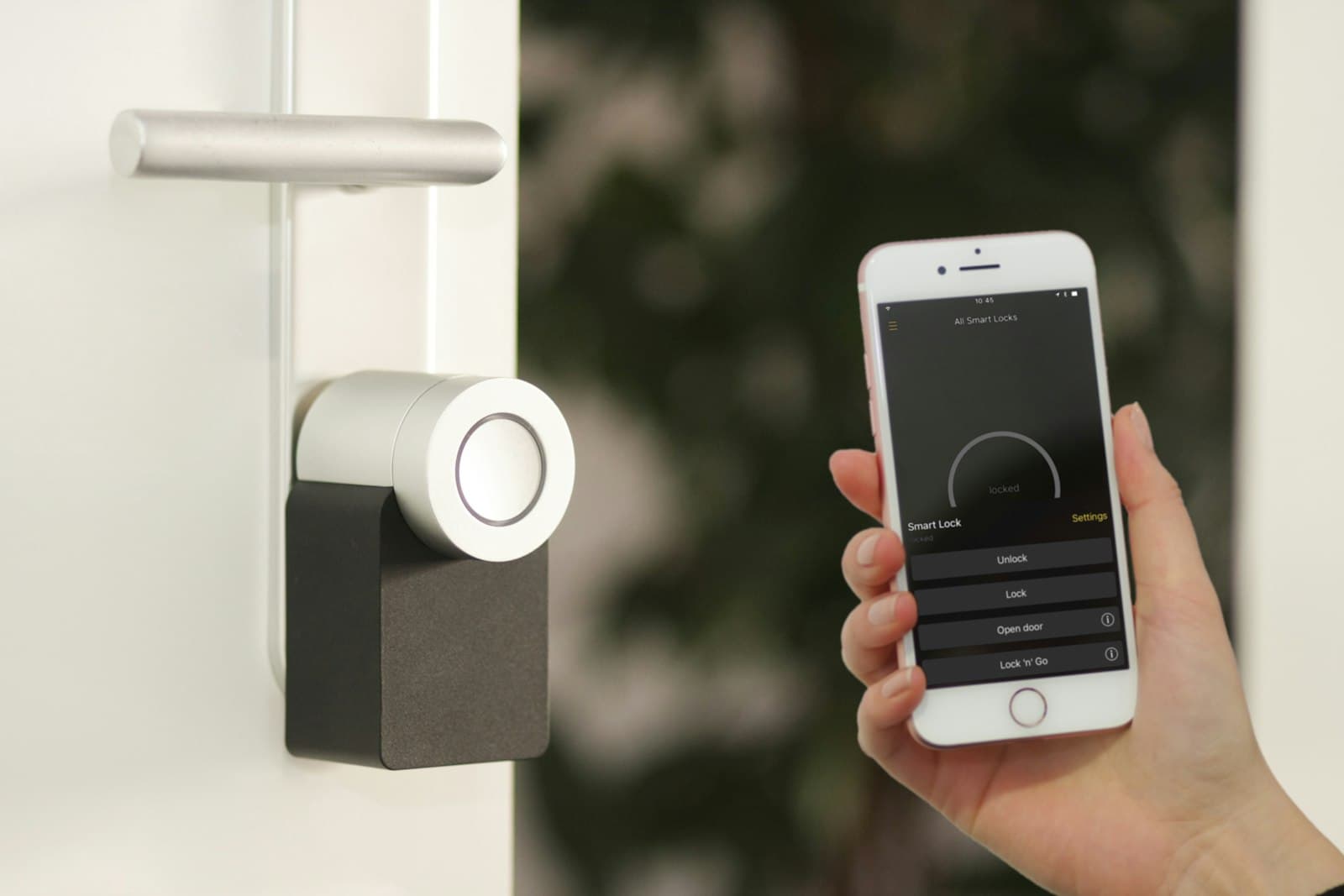
Automated property inspections using computer vision will spot maintenance needs from photos and video. IoT sensors will monitor building systems continuously, detecting leaks, air quality changes, HVAC efficiency drops, and structural concerns in real time. The property itself will communicate what it needs, shrinking the gap between when a problem starts and when it's detected from days to minutes.