
Top Tips When Buying Investment Property in Redmond
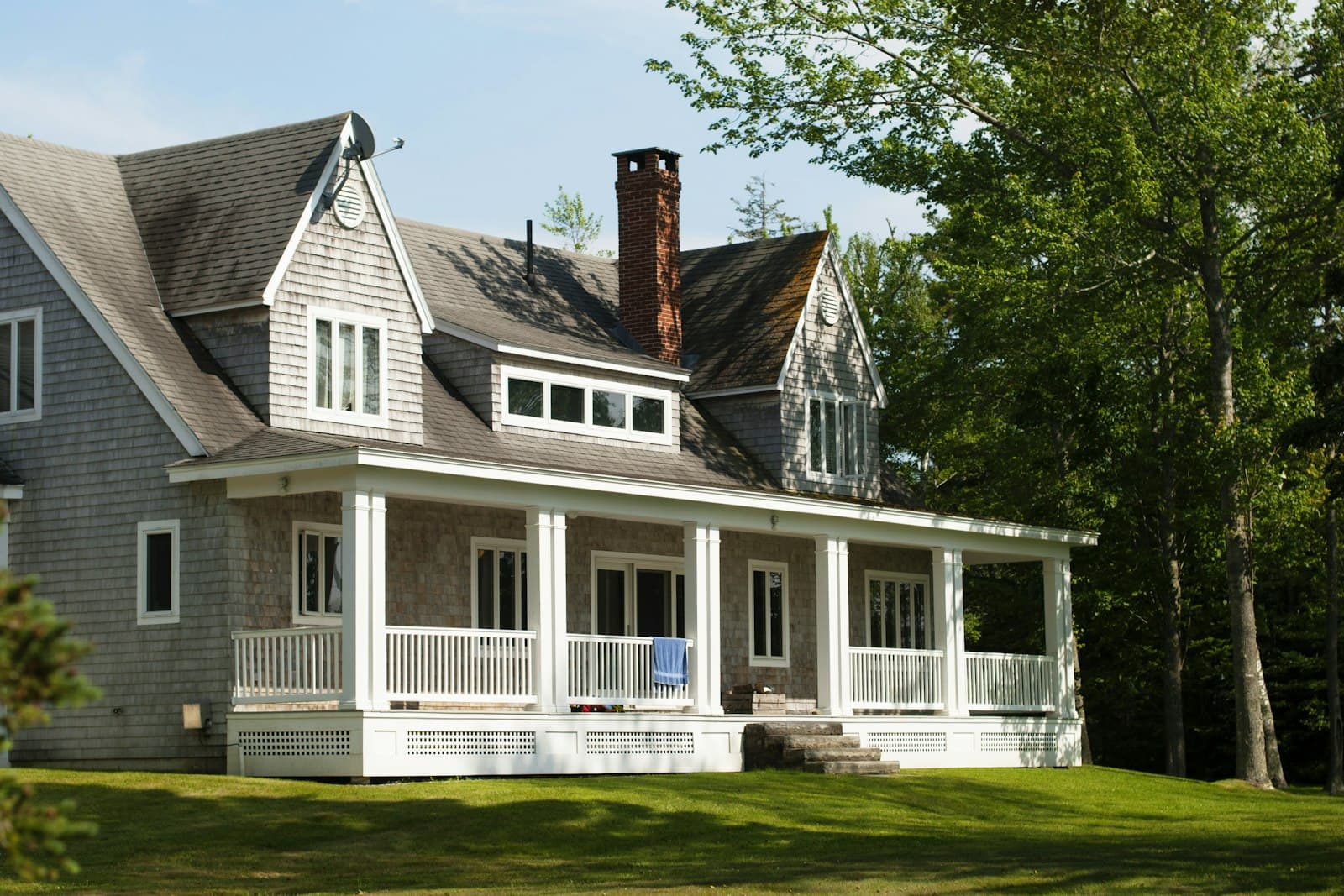
Redmond has spent a decade turning into Central Oregon’s practical, livable alternative to Bend — expanding neighborhoods, a real employment base, and consistent long-term rental demand. But it isn’t a speculative market, and it doesn’t reward speculative buying. It rewards discipline. Here’s what we tell investors before they write a Redmond offer.
Know What Kind of Market This Is
Redmond’s rental demand is long-term residential, full stop. Tenants here are households looking for stable everyday housing near work and schools — not vacationers. That means neighborhood consistency, functional layouts, and durability beat trend-driven finishes every time, and it means your underwriting should assume twelve-month leases, not nightly rates.
Buy Neighborhood Stability
Not all of Redmond performs equally. Newer subdivisions on the growth edges and the established, consistently kept older neighborhoods both work — what doesn’t work is ignoring the block. Look at surrounding upkeep, infrastructure, and what nearby homes actually rent for. Rental stability follows neighborhood stability; so does appreciation.
Underwrite the Weather
Central Oregon is hard on buildings: hot, dry summers, cold winters, and freeze-thaw cycles that work on roofs, driveways, and foundations. Before you buy, evaluate the heating system, insulation, roof age, and exterior condition like they’re line items — because they will be. Efficient heat and good insulation aren’t upgrades here; they’re tenant-retention tools.
Run Conservative Numbers
The deal has to work at today’s realistic rent — not at a hoped-for increase. Budget property taxes, insurance, maintenance reserves, management, and honest vacancy assumptions. Redmond is a steady market, and steady markets punish optimistic pro formas quietly: one line item at a time.
Inspect for Deferred Maintenance
Plenty of Redmond’s housing stock is older, and older homes hide their expenses in roofs, plumbing, electrical panels, and siding. A detailed inspection before closing — and a repair budget set before you need it — is the difference between a cash-flowing rental and a project.
Respect Oregon’s Rules
Oregon regulates rent increases statewide, sets specific notice periods, and layers tenant protections that vary with property age. None of it is a reason not to invest — but all of it is a reason to have your lease, notices, and screening process exactly right. Compliance errors cost more than management fees.