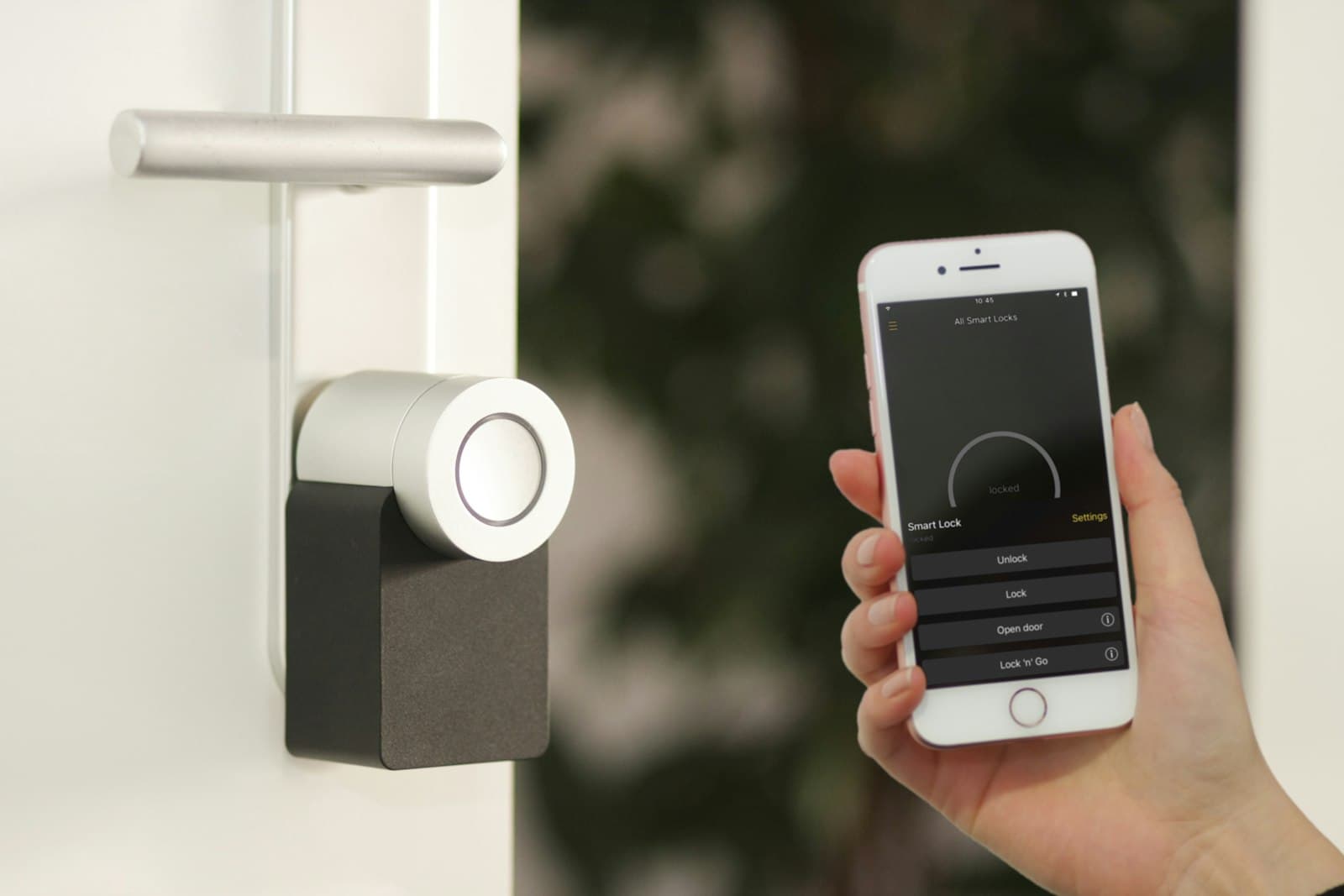
Maintenance Doesn't Stop at 5 PM: How AI Keeps Your Rental Protected 24/7
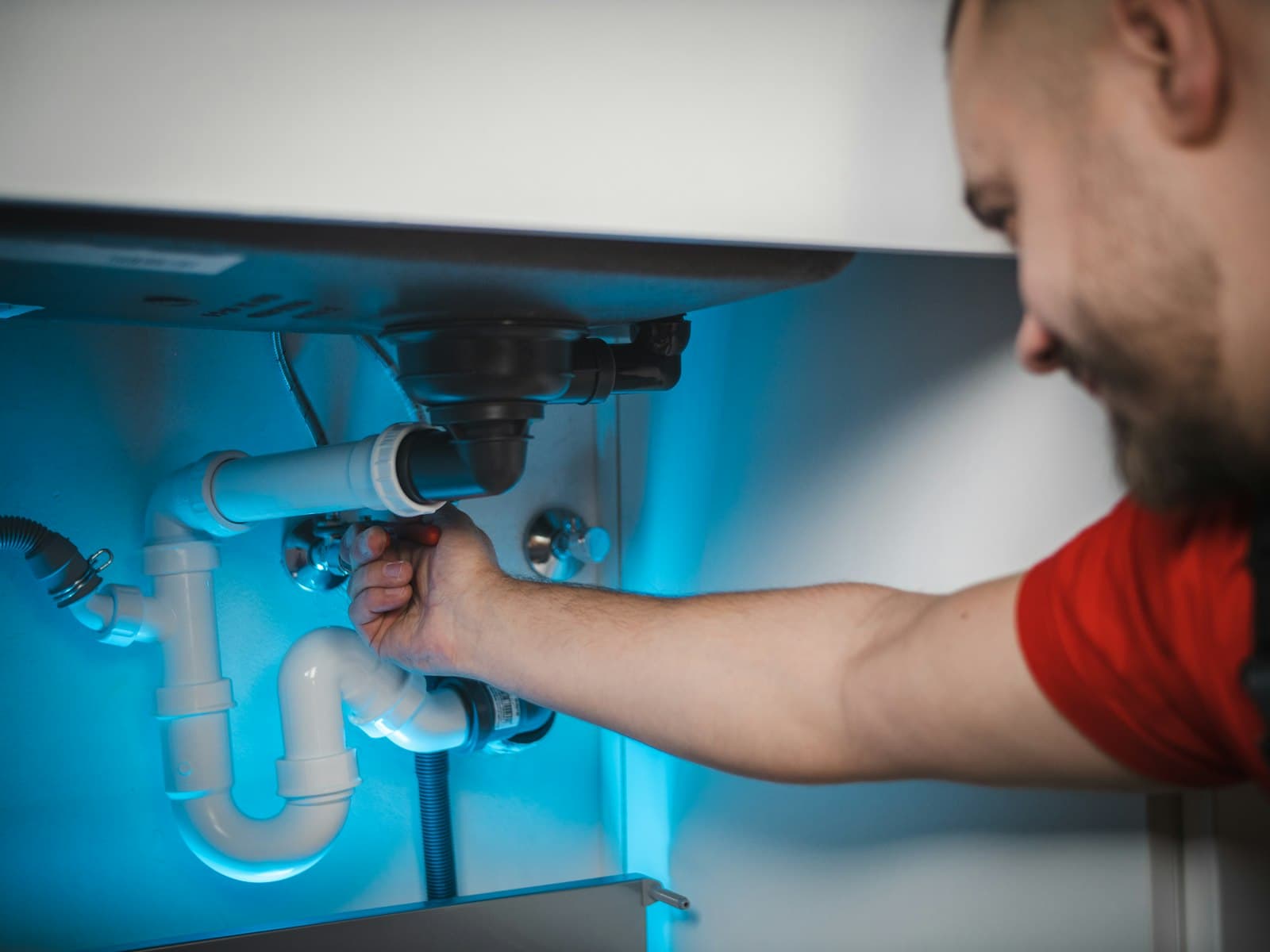
A pipe bursts at 11 PM on a Saturday. A furnace quits during a January cold snap at 3 AM. A smoke detector starts chirping at midnight and the tenant isn't sure if it's a real emergency. In traditional property management, those situations sit until Monday morning, or they get routed to a generic answering service that can't do much beyond scribble down a message.
At High Desert Property Management, we don't think maintenance should operate on a 9-to-5 schedule. That's why we've deployed AI-powered maintenance triage that works around the clock, every single day.
How AI Maintenance Triage Works
When a tenant submits a maintenance request at any hour, our AI system evaluates the issue right away. It asks targeted follow-up questions to gauge severity: Is water actively flowing? Is the unit still livable? Is there a safety risk? Based on those answers, it categorizes the request as emergency, urgent, or routine.
Emergency issues like active leaks, gas smells, or no heat during freezing temperatures trigger an immediate dispatch to our on-call crew. The AI has already collected the key details (unit, problem description, tenant contact info), so the technician shows up ready to work instead of starting from scratch.
Why This Matters in Central Oregon
Our climate makes after-hours response especially important. When it drops below zero in Bend, Redmond, or Sisters, a broken furnace isn't just an inconvenience. It can lead to frozen pipes and thousands in damage within a few hours. Our AI triage system understands that context. It checks current weather conditions and property-specific details to make smarter urgency calls.
During summer wildfire season, the priorities shift. Electrical issues or unusual smells get elevated urgency. The AI adjusts its triage logic based on seasonal risk factors specific to this region.
What Tenants Experience
Tenants talk to our AI through a simple chat interface. No phone trees, no hold music, no waiting for morning. They describe the problem in plain language, answer a couple of clarifying questions, and get an immediate response: either a confirmation that emergency service is on the way, a scheduled time for urgent repair, or a clear timeline for routine work.
Every interaction gets logged and is visible to our team. When we walk in Monday morning, we have a complete picture of everything that happened over the weekend, not a stack of voicemails to sort through.